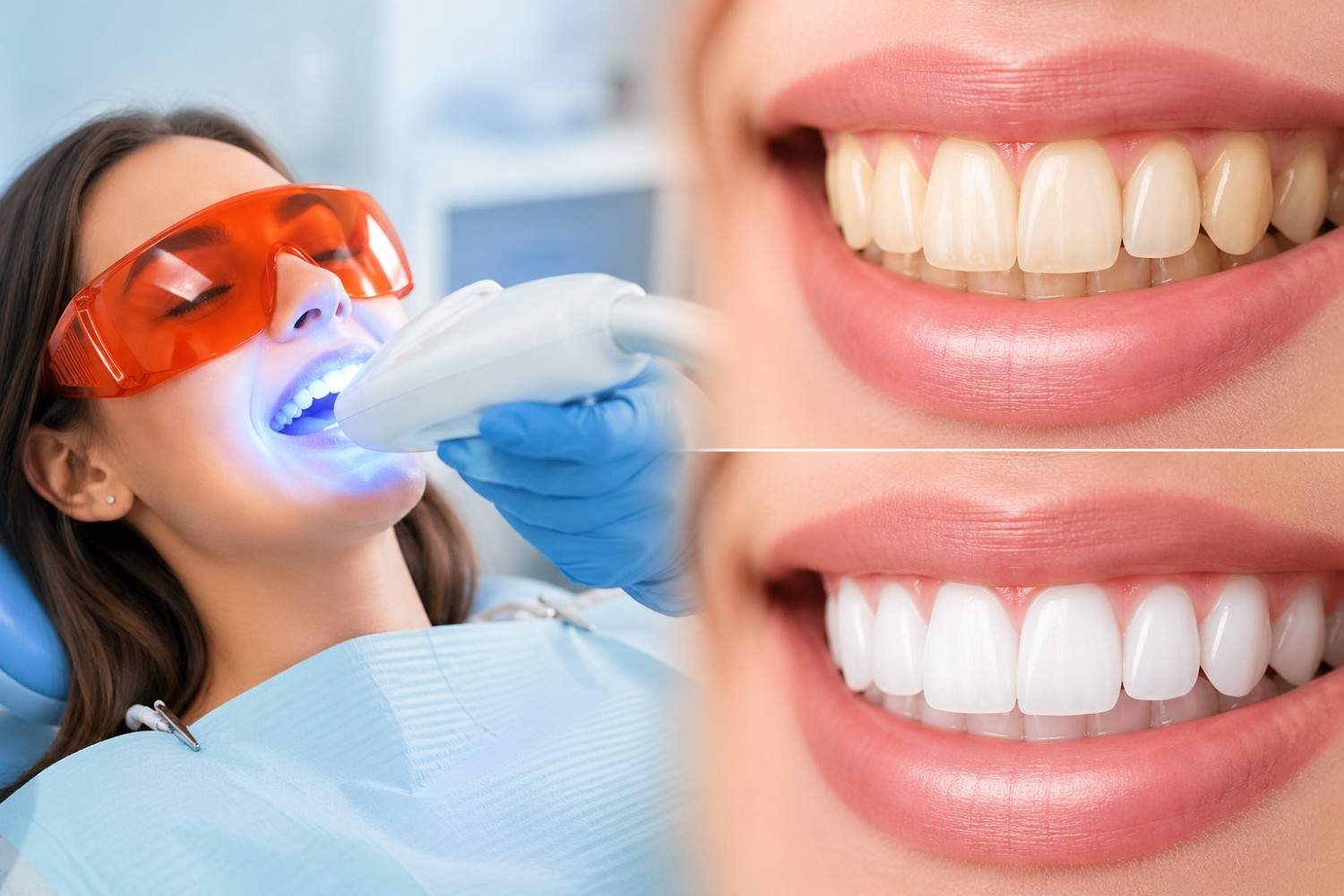
We all wish to have a white, bright smile, and thoughts like “bleaching chemicals harm your enamel” can be a show spoiler. When done correctly, whitening is a safe way to boost your confidence.
However, safety depends on the products used and your current oral health. Visiting a dental office near you is the best way to ensure your teeth are strong enough for the process and free of underlying issues.
Professional teeth whitening in Sarasota has become popular because it balances speed with safety. Unlike random online products, clinical treatments are monitored to prevent damage to soft tissues.
By understanding the science behind the bleach, you can protect your oral health while achieving a radiant look.
How Does The Whitening Process Work On Your Enamel?
To understand safety, you first need to know how stains are removed. Most professional products use peroxide to penetrate the porous surface of your teeth.
- Oxygenation – The peroxide breaks down into oxygen molecules that enter the enamel.
- Stain Removal – These molecules break the chemical bonds that cause discolouration from coffee or aging.
- Surface vs. Internal – While toothpastes only scrub the surface, chemical bleaching changes the internal colour.
- Enamel Integrity -When done properly, the process does not “eat” the enamel; it simply travels through the pores to lift pigment.
What Are The Most Reliable And Safe Teeth Whitening Methods?
There is a major difference between a DIY kitchen remedy and a controlled clinical treatment.
Using safe teeth-whitening methods ensures the bleach concentration is appropriate for your sensitivity levels.
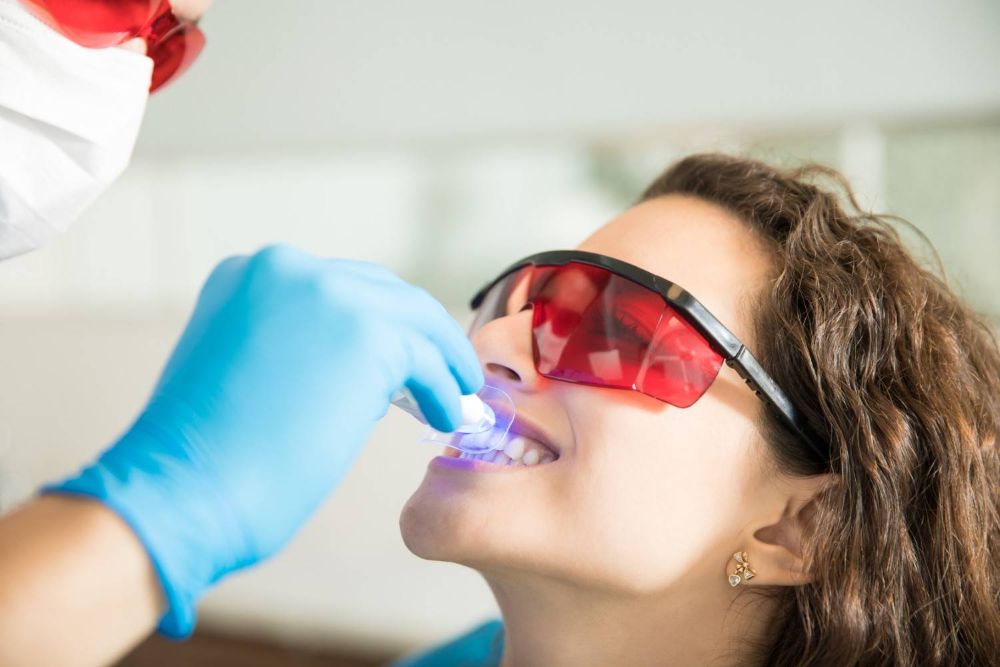
- In-Office Laser Whitening – The fastest method, using high-concentration gels activated by a specialized light.
- Custom-Fit Take-Home Trays – Made from moulds of your teeth, ensuring the gel stays on the enamel and away from the gums.
- Over-the-Counter Strips – Generally safe, but “one-size-fits-all” designs can sometimes cause gum irritation.
- Whitening Toothpastes – Good for maintaining results, but they do not change the tooth’s base colour.
Comparing Professional and Store-Bought Options
| Feature | Professional Whitening | Store-Bought Kits |
| Formula Strength | High (Fast Results) | Low (Slow Results) |
| Gum Protection | Custom barriers used | None (Gel can leak) |
| Supervision | Guided by a clinician | DIY / No guidance |
| Result Longevity | Long-lasting | Requires frequent use |
Why Should You Choose Professional Guidance For Brightening?
The safest results always come from a dentist-approved teeth whitening plan. A professional can customize the formula strength based on your history of sensitivity.
- Pre-Bleach Exam – Checking for cavities that could cause intense pain if exposed to bleach.
- Gingival Protection – Using protective barriers to keep chemicals off your sensitive gum tissue.
- Sensitivity Management – Applying desensitizing agents immediately after the procedure.
- Colour Matching – Ensuring the new shade looks natural and matches any existing dental work.
What Is The Recommended Frequency For Whitening Sessions?
Over-whitening can lead to permanent sensitivity and a translucent, bluish appearance. Many people ask, “how often can you whiten your teeth?” without realizing that more is not always better.
- In-Office Frequency – Once a year is usually plenty for most patients.
- At-Home Touch-ups – A one-day touch-up every three to six months is typically safe with custom trays.
- The “Tissue Test” – Your teeth should generally not be whiter than the whites of your eyes.
- Rest Periods – Giving your enamel time to remineralize between sessions is vital for long-term strength.
How Can You Manage Tooth Sensitivity After Bleaching?
It is common to feel “zings” or cold sensitivity after whitening because the pores in your teeth are temporarily open.
- Desensitizing Gels – Many professional kits include a secondary gel to calm nerves after treatment.
- Specialty Toothpaste – Switching to a sensitivity formula two weeks before and after treatment helps.
- Avoid Temperature Extremes – Skip ice water and hot coffee for at least 48 hours.
- Fluoride Treatments – Professional fluoride helps “plug” the enamel pores more quickly.
A Bright and Healthy Transformation
Achieving a whiter smile is a great way to enhance your look, as long as you prioritise safety.
By choosing controlled methods and following professional advice, you can avoid the common pitfalls of DIY bleaching. A bright smile is most beautiful when it is also healthy.
At Gulf Gate Dental, we are committed to helping you achieve a smile that looks white and feels comfortable. Our team evaluates your oral health to provide whitening solutions that minimise sensitivity and maximise results.
We believe in care that protects your enamel while delivering the aesthetic boost you desire. Contact us today to schedule your consultation and find the best whitening path for your smile.
FAQs
Can whitening damage my existing fillings or crowns?
Whitening agents work only on natural enamel and will not change the colour of porcelain or composite materials.
Is it safe to whiten my teeth while pregnant?
Most dentists recommend waiting until after pregnancy and breastfeeding as a standard safety precaution for the baby.
Does charcoal toothpaste work as a safe alternative?
Charcoal is often too abrasive and can wear down your enamel, eventually making your teeth look more yellow.
How long do professional results last?
With good hygiene and by avoiding staining foods, professional results typically last between one and two years.